Contemporary Filipino Ceramics by Jose Solon Perfecto
Jose Solon Perfecto’s ceramics are rooted in pottery, but has evolved into an investigation of the material character of the Philippines through wild clay, ash glazes, and other organic matter. His work becomes Terroir Ceramics, in vessels and sculptural forms.

Terroir Ceramics, Self-Portrait Sculptures, and Traditional Pottery
“Clay speaks an ancient language. The forms that the artist makes are its stories and memories,” says Jose Solon Perfecto. Read his Artist Statements for selected exhibits and collections, alongside exhibit texts to understand the mythology and process of his ongoing work.
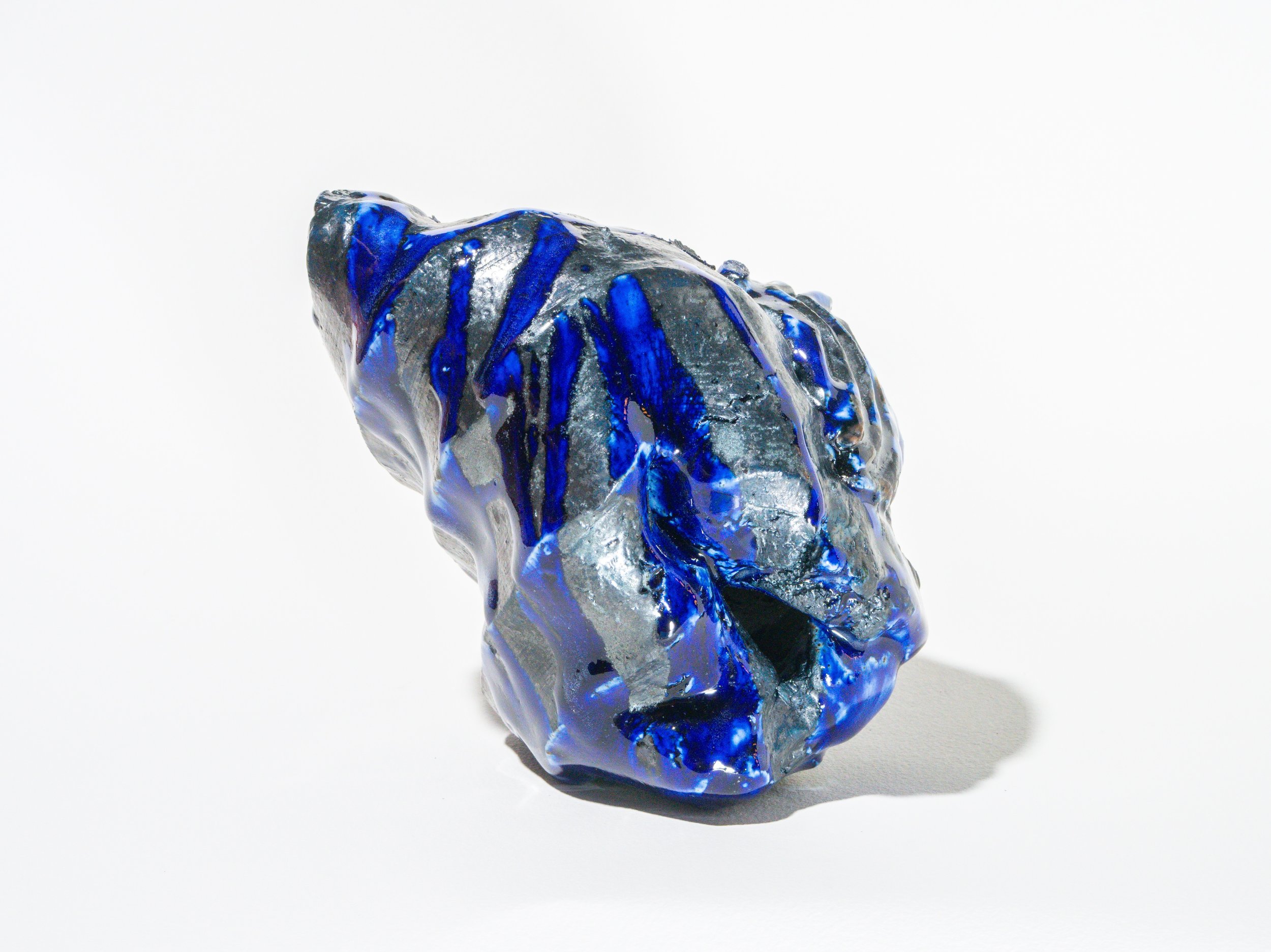
Nocturne en bleu (2026)
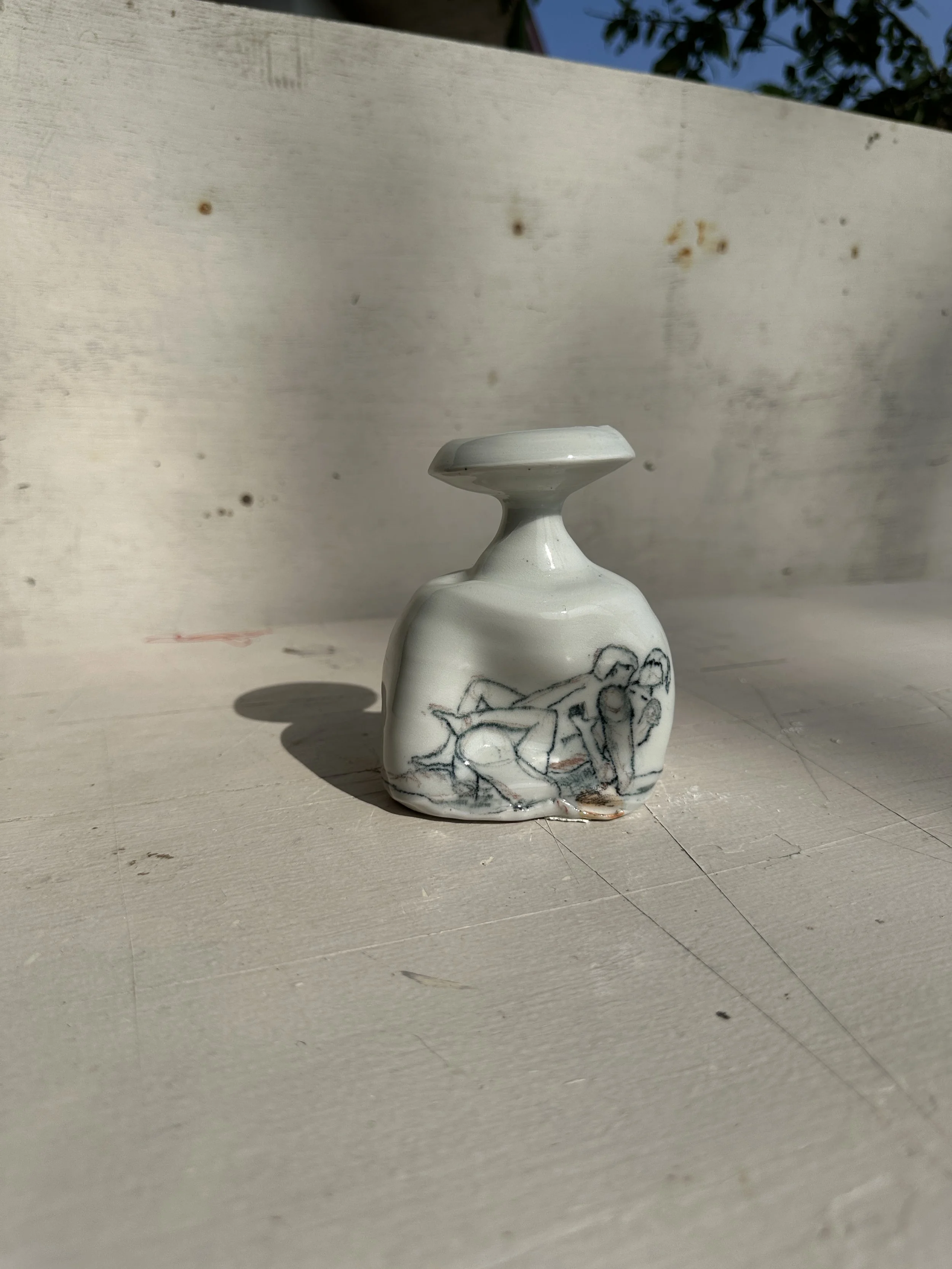
Etudes in Nudes (2025)
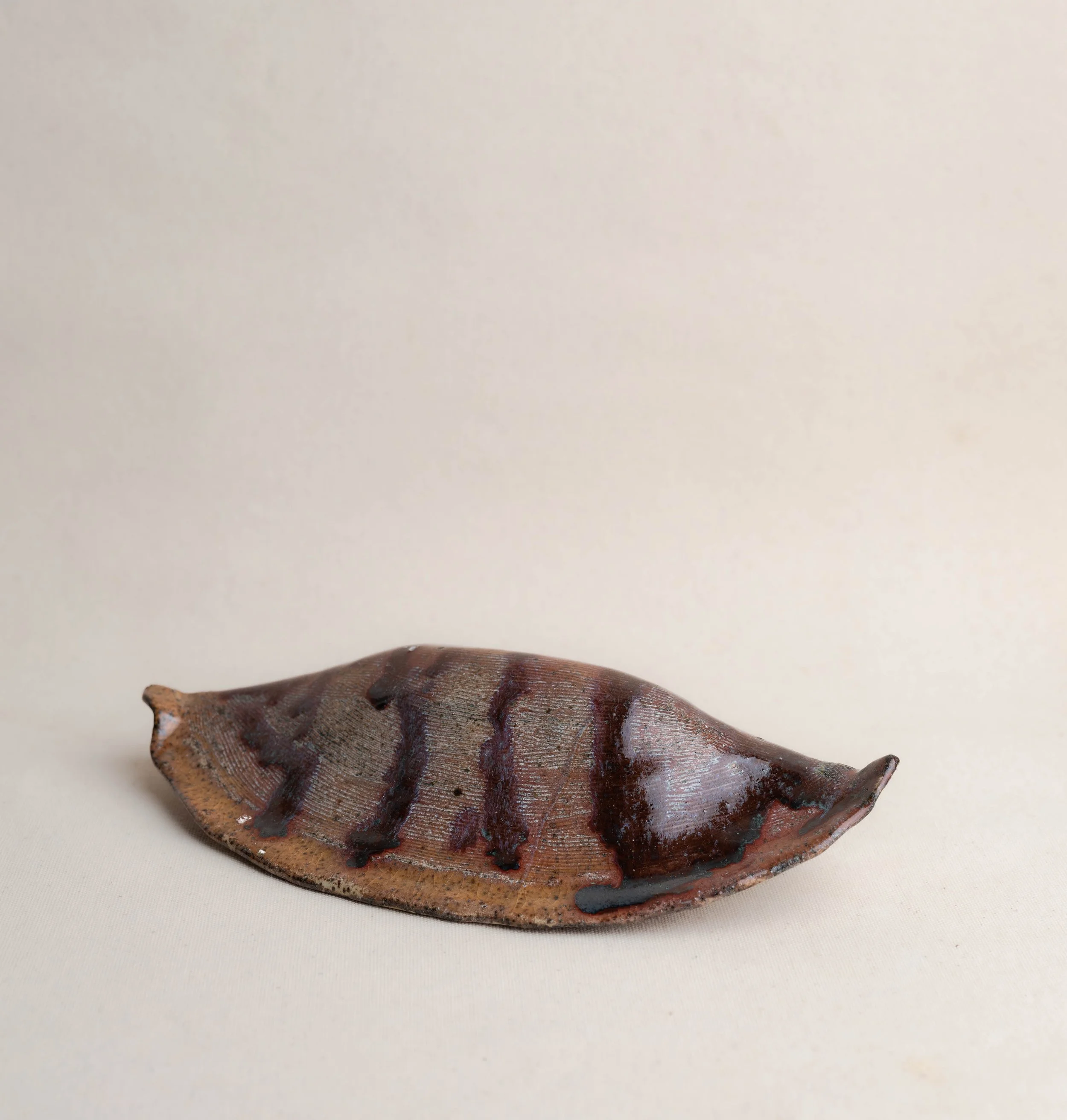
Perfecto Deli: A Deli For The Senses (2024)

Terroir & Tapestries (2024)

Resonance (2024)

Elpidio Quirino Room at Laperal Mansion (2024)

Traversing Grounds (2023)

Etudes In Survival (2023)

In Pursuit of Less (2022)

Our Glass (2021)

A Vigil Interrupted (2020)

Early Works (2000s)
Filipino Table Culture
Jose Solon Perfecto's philosophy of Filipino Table Culture has produced an interplay of ceramics and cuisine, with his signature Terroir Ceramics finding home and pride of place in distinguished Michelin-starred restaurants, neighborhood cafes, and homes, including the Malacanang Palace guest house.
-
![A regal celadon bowl with pinched handmade accents in terroir ceramics by Filipino artist Jose Solon Perfecto for the Malacanang Palace guest house]()
Elpidio Quirino Room (Laperal Mansion, Malacanang Palace, Manila)
-
![Hapag pitchers in terroir ceramics by Jose Solon Perfecto]()
Hapag (Balmori Suites, Rockwell, Makati City)
-
![Handmade ceramics in drippy celadon ash glaze by Jose Solon Perfecto]()
Aya (Balmori Suites, Rockwell, Makati City)
-
![Blue and celadon tall bowl made for Flow, a Peruvian-Filipino restaurant in Makati City]()
FLOW (Green Sun, Pasong Tamo Ext., Makati City)
-
![Rustic and unique handmade terroir ceramics by Jose Solon Perfecto for ELISEOS in La Union]()
Makan (ELISEOS, San Juan, La Union)


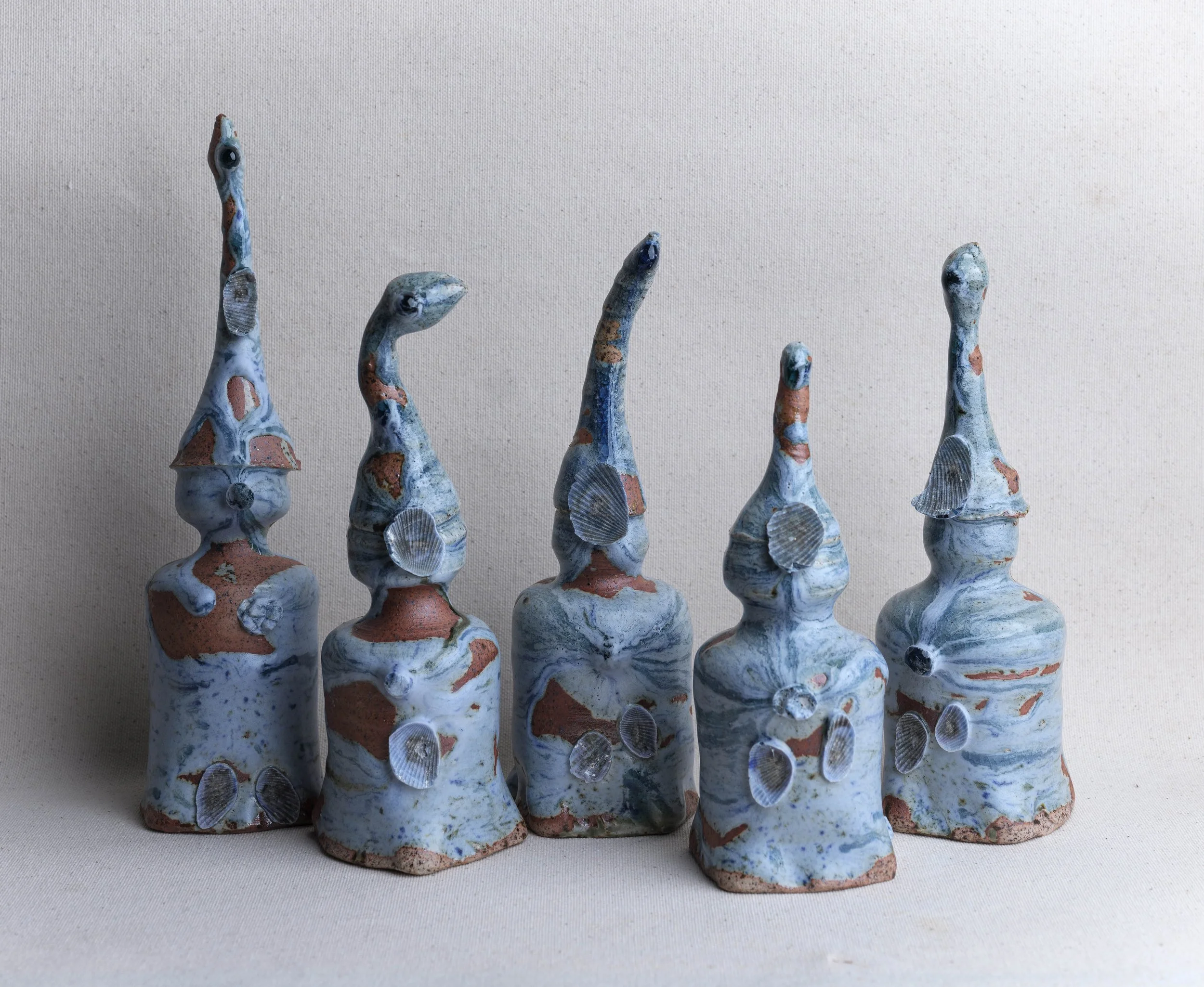
In this solo exhibition from 2024, Jose Solon Perfecto furthers his myth-making approach to pottery with forms that stand in for oral traditions — recipes, superstitions, culture — to sate not merely appetites, but tastes. While created on the pottery wheel, these 25 sculptures in Terroir Ceramics submit to the artistic process — not unlike cheese, tobacco, or wine — that transforms vessels into a fine selection of delights for the senses.
Step into Perfecto Deli
-
Commission
Commission ceramic works for restaurants, hotels, architects, designers, brands, collectors, and cultural spaces.

-
Jose Solon Perfecto
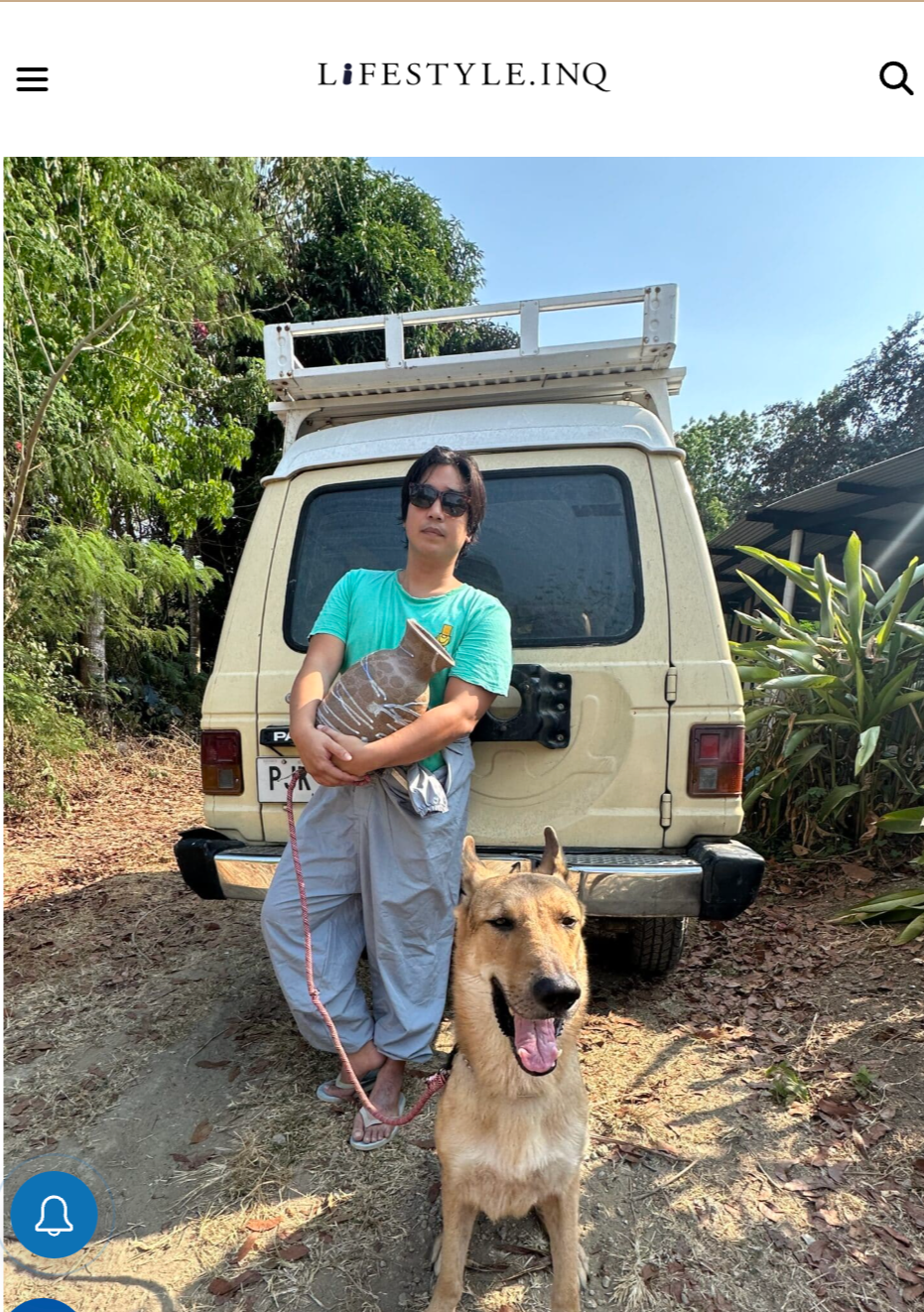
Jose Solon Perfecto is a Filipino ceramic artist based in La Union, Philippines. His practice is rooted in pottery and shaped by local materials, contemporary art and media, and family culture.
-
Culture
Clay tells stories. Read essays, field notes, and conversations on Filipino culture, material character, and life as an artist.
